Skip to content
INTRODUCTION

Michigan’s climate demands more from a porch than most regions. Heavy lake-effect snow, repeated freeze-thaw cycles, humid summers, and changing seasonal conditions all influence how a porch should be designed, built, and protected for long-term performance. Choosing the right porch construction materials and structural design from the start helps prevent costly repairs while creating a space you can enjoy for years.
For many homeowners, investing in a covered front porch or four-season porch design is about expanding everyday living space while increasing home value. When thoughtfully designed, these spaces provide year-round comfort, enhance curb appeal, and withstand Michigan’s demanding weather.
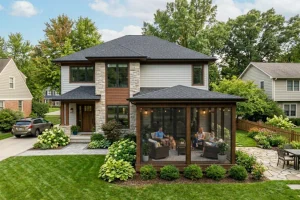
A properly built four-season porch is especially well-suited to the state’s climate. Unlike a basic covered porch, it is insulated, climate-controlled, and engineered to withstand Michigan’s snow loads, moisture, and temperature extremes, making it a true extension of your home in every season.
This guide explains the key Michigan design considerations that influence everything from foundation depth and framing to roofing, insulation, and material selection. Whether you’re exploring covered porch ideas for Michigan homes or planning a custom year-round porch design, you need to know about popular trends for porch designs for year-round use. Understanding these factors will help you make informed decisions and build a porch designed for lasting performance.
Key Takeaways
Before choosing a four-season porch design for your home, keep these important Michigan-specific considerations in mind:
- Michigan’s climate should drive every design decision. Heavy snowfall, freeze-thaw cycles, high humidity, and seasonal temperature swings all affect the materials, foundation, and structural design of a porch.
- A four-season porch provides a true year-round living space. Unlike a covered or three-season porch, a four-season porch is insulated, climate-controlled, and built to remain comfortable through every Michigan season.
- Proper structural engineering is essential. Roofs must be designed for regional snow loads, while footings should extend below the local frost line to prevent frost heave and long-term structural movement.
- Choosing durable materials reduces maintenance. Composite decking, quality roofing systems, energy-efficient windows, and weather-resistant screen materials help maximize performance in Michigan’s demanding climate.
- Local building codes and permitting matter. Building requirements vary across Michigan, so proper planning helps ensure your porch meets structural, energy, and safety standards while protecting your investment.
- A professionally designed porch adds lasting value. A well-built four-season porch expands usable living space, improves curb appeal, and can increase resale value while providing years of everyday enjoyment.
- Planning with Michigan’s weather in mind saves money over time. Investing in quality materials, proper engineering, and experienced installation helps minimize repairs, improve energy efficiency, and create a porch built to perform for decades.

WHAT MAKES A FOUR-SEASON PORCH DIFFERENT FROM OTHER PORCH TYPES
Not every porch is designed for year-round use. While a covered porch or screened porch offers protection from sun and rain, only a four-season porch is engineered to remain comfortable through Michigan’s cold winters, humid summers, and everything in between.
A four-season porch is a fully enclosed, insulated, climate-controlled addition built to perform like the rest of your home. From the foundation and framing to the windows and insulation, every component is designed to handle Michigan’s demanding climate while providing a comfortable living space in every season.
Three-Season vs. Four-Season Porches
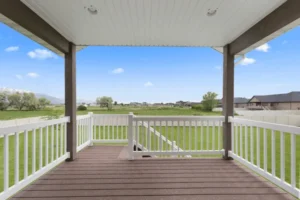
A three-season porch is intended for use during milder weather. It typically features screen panels or single-pane windows with little or no insulation and isn’t connected to a heating or cooling system. While these spaces are enjoyable in spring, summer, and early fall, they often become too cold once freezing temperatures arrive—a much shorter seasonal window in Michigan than in many other parts of the country.
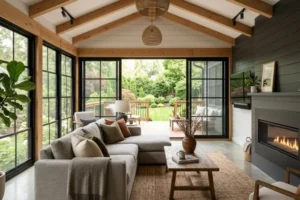
A four-season porch, by comparison, is built as an air-conditioned living space. Insulated walls, energy-efficient double- or triple-pane windows, and a dedicated heating and cooling system (or a connection to your home’s HVAC) help keep the space comfortable year-round. For homeowners looking for a practical year-round porch design, a four-season porch provides the greatest versatility, comfort, and long-term value.
What Qualifies as a Four-Season Room?
In most cases, a four-season room must be built and permitted as a heated addition that complies with applicable Michigan residential building and energy codes. Requirements generally include proper insulation, energy-efficient windows, safety glazing where required, and structural components designed for local snow and wind loads. Meeting these standards helps ensure the space is safe, energy efficient, and recognized as a finished living area during future appraisals or resale.
Because local regulations can vary between municipalities, experienced planning is essential. A professional porch design company understands Michigan porch design considerations, including frost-protected foundations, structural requirements, permitting, and code compliance, to create four-season porch designs and porches designed for Great Lakes weather that provide lasting performance and year-round enjoyment.
HOW MICHIGAN’S WINTERS DRIVE STRUCTURAL ENGINEERING DECISIONS

Michigan winters place significant demands on every porch, making structural engineering just as important as appearance. Heavy snowfall, repeated freeze-thaw cycles, and deep frost lines all affect how a porch should be designed and built for long-term durability.
For a four-season porch design, the structure must safely support regional snow loads while resisting movement caused by frozen ground. Properly engineered roof systems, appropriately sized framing, and footings installed below the local frost line help prevent sagging, cracking, and structural shifting over time. Material selection also plays an important role, as roofing and framing components must withstand decades of snow, ice, moisture, and seasonal temperature swings.
Because snow loads and frost depths vary across the state, Michigan porch design considerations should always reflect local conditions rather than a one-size-fits-all approach. Working with a professional porch design company ensures your porch is designed to meet applicable building codes while providing reliable, year-round performance in Michigan’s demanding climate.
| Structural Consideration | Why It Matters in Michigan |
| Snow Loads | Roofs must be engineered to support regional snow loads, which generally range from 25–40 psf in southern Michigan and can exceed 60–80 psf in parts of the Upper Peninsula and Lake Michigan snow belt. |
| Roof Framing | Rafters, beams, and support posts must be properly sized to prevent excessive deflection under heavy snow accumulation. |
| Roofing Materials | Asphalt shingles, standing seam metal, and other snow-shedding roofing systems perform well in Michigan’s freeze-thaw conditions, while heavier roofing materials may require additional structural support. |
| Frost Line Depth | Porch footings should extend below the local frost depth—typically 42 inches or deeper, depending on location—to reduce the risk of frost heave. |
| Foundation Stability | Properly designed footings help prevent cracking, settling, and separation from the home as the ground freezes and thaws each winter. |
| Site Conditions | Soil type, drainage, and moisture levels influence footing design and long-term structural performance, making site-specific planning essential. |
CHOOSING THE RIGHT FRONT PORCH MATERIALS FOR MICHIGAN CONDITIONS

Michigan’s weather can quickly expose weaknesses in low-quality building materials. Snow, ice, moisture, freeze-thaw cycles, and humid summers all contribute to premature wear if a porch isn’t built with products designed for year-round performance. Choosing durable porch construction materials helps reduce maintenance, improve energy efficiency, and extend the life of your investment.
If you’re planning a screened porch instead of a fully enclosed four-season porch, screen material is another important consideration. Michigan’s humid summers, seasonal storms, and insects make durable screen systems essential for long-term performance. Fiberglass, aluminum, and heavy-duty polyester screens each offer different advantages depending on your maintenance preferences, budget, and how you plan to use the space.
For a four-season porch design, every component, from the flooring and roofing to the windows, should be selected with Michigan’s climate in mind. Moisture resistance, thermal performance, and long-term durability are often more important than upfront cost, making quality materials a smart investment for homeowners.
| Component | Recommended Materials | Why They’re Well-Suited for Michigan |
| Porch Flooring | Composite decking, cellular PVC, or properly maintained cedar | Composite and PVC resist moisture, rot, warping, and freeze-thaw damage while requiring minimal maintenance. Cedar offers a natural appearance but needs regular sealing to protect against moisture and seasonal movement. |
| Roofing | Architectural asphalt shingles or standing seam metal roofing | Both perform well under Michigan snow loads. Metal roofing sheds snow efficiently and offers exceptional longevity, while quality asphalt shingles provide reliable protection when installed with proper ice-and-water shielding. |
| Windows & Glazing | Double-pane Low-E glass (minimum); triple-pane in colder regions | Energy-efficient glazing improves comfort, reduces heat loss, and helps maintain consistent indoor temperatures throughout the year. |
| Window Frames | Vinyl or thermally broken aluminum | These frame materials minimize heat transfer and reduce condensation compared to standard aluminum frames. |
| Structural Framing | Pressure-treated lumber or engineered framing materials | Properly treated framing resists moisture and provides the strength needed to support Michigan’s snow and wind loads. |
| Screen Systems | Fiberglass, aluminum, or heavy-duty polyester screens | Fiberglass is the most popular choice because it resists rust and corrosion. Aluminum offers added durability but can dent more easily. Heavy-duty polyester screens are also good options. |
When evaluating covered porch ideas for Michigan homes, it’s also important to consider roof design. Steeper roof pitches generally shed snow more effectively than low-slope roofs, reducing the risk of ice buildup and standing water. Flat or low-slope porch roofs should only be used when specifically engineered with proper drainage and structural support for local snow loads.
Selecting the right materials from the start is one of the most important considerations in Michigan porch design. A professional porch design company can recommend products that balance durability, maintenance, appearance, and long-term value while ensuring your porch is built to perform through every Michigan season.
THE RETURN ON INVESTMENT OF A FOUR-SEASON PORCH IN MICHIGAN
For many Michigan homeowners, a four-season porch design is more than an outdoor upgrade—it’s a long-term investment in comfort, usable living space, and home value. While costs vary by size and features, a professionally designed and permitted addition can provide years of everyday enjoyment and improve your property’s appeal to future buyers. Here’s what local Michigan homeowners need to know:
- Strong resale value: Well-built four-season porches and sunrooms often recoup 50% to 70% of their construction cost at resale, depending on the local real estate market, design quality, and overall home value.
- Expanded living space: A climate-controlled porch adds usable square footage you can enjoy throughout Michigan’s long winters and warm summers.
- Typical project cost: Most professionally built four-season porches in Michigan range from $20,000 to $60,000+, depending on the size, materials, insulation, windows, HVAC integration, and custom finishes.
- Professional installation matters: Proper permitting, code compliance, and quality construction help protect your investment, improve energy efficiency, and maximize long-term value.
Whether you’re planning a modest addition or a custom year-round porch design, choosing durable materials and working with an experienced contractor helps ensure your investment delivers lasting performance in Michigan’s climate.
Ready to Build a Porch Designed for Michigan’s Climate?

Whether you’re planning a covered front porch, a custom four-season porch design, or a beautiful space for year-round entertaining, the right design makes all the difference. At Michigan Deck Builders, we create porches designed to withstand Michigan’s heavy snow, freeze-thaw cycles, and changing seasons while enhancing your home’s comfort, beauty, and value.
Our experienced team will guide you through every step, from design and material selection to permitting and construction, so you can feel confident your investment is built to last. As a trusted professional porch design company, we’re committed to delivering exceptional craftsmanship and outdoor living spaces that perform for years to come.
Contact Michigan Deck Builders today to schedule your free consultation and estimate. We’ll help you create a custom porch that’s designed for Michigan, built for every season, and tailored to the way you live.
FREQUENTLY ASKED QUESTIONS
What is a four-season porch?
A four-season porch is a fully enclosed, insulated, and climate-controlled room addition designed for year-round use. Unlike a screened or three-season porch, it meets building code requirements for insulation, energy efficiency, and structural performance, making it comfortable in every Michigan season.
How much does a four-season porch cost in Michigan?
Most professionally built four-season porches in Michigan cost between $20,000 and $60,000+. Final pricing depends on the porch size, materials, windows, insulation, HVAC integration, and custom finishes.
Is a four-season porch worth the investment?
Yes. A four-season porch expands your living space, improves year-round comfort, and can increase resale value. Well-designed, permitted additions often recoup 50% to 70% of their construction cost while enhancing everyday enjoyment.
Can an existing porch be converted into a four-season room?
Often, yes. Most conversions require structural upgrades, insulation, energy-efficient windows, HVAC, and new foundations or footings if the existing structure doesn’t meet Michigan building code requirements.
What roofing materials are best for Michigan porches?
Architectural asphalt shingles and standing seam metal roofing are excellent choices. Both withstand Michigan’s snow, ice, and freeze-thaw cycles, while metal roofing offers exceptional durability and helps shed snow efficiently.
What is the difference between a three-season and a four-season porch?
A three-season porch is designed for mild weather and usually isn’t insulated or heated. A four-season porch is fully insulated, climate-controlled, and built to function as a comfortable living space throughout the entire year.
What is the best flooring for a Michigan porch?
Composite decking and cellular PVC are among the best options because they resist moisture, rot, warping, and freeze-thaw damage. Properly maintained cedar is another attractive choice for homeowners who prefer natural wood.
Do four-season porches need a permit in Michigan?
Yes. Most four-season porch projects require permits and inspections to ensure they meet Michigan’s building, energy, and structural codes. Local requirements may vary by municipality.
How deep do porch footings need to be in Michigan?
Porch footings must extend below the local frost line to prevent frost heave. In Michigan, this is typically 42 inches or deeper, depending on your location and local building requirements.
What windows are best for a four-season porch?
Double-pane Low-E windows are the minimum recommended for Michigan, while triple-pane windows provide even greater energy efficiency and comfort in colder regions of the state.
What are the best screen materials for a screened porch?
Fiberglass screens are the most common choice because they’re affordable and corrosion-resistant. Aluminum screens provide added strength, while heavy-duty polyester screens are ideal for homes with pets or areas exposed to higher winds.
Can a covered front porch be enclosed later?
In many cases, yes. However, the existing foundation, framing, and roof must be evaluated to determine whether they can support insulation, windows, and the additional structural loads of a four-season porch.