Skip to content
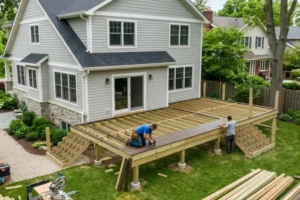
Most homeowners assume deck projects have to wait for spring—but what if winter is actually a good time to build? If you’re considering a composite deck, colder temperatures don’t automatically mean delays or poor results. In fact, with the right materials and an experienced contractor, winter deck construction can be efficient, cost-effective, and surprisingly smooth.
While snow, frost, and fluctuating temperatures introduce unique challenges, professional deck builders know how to adapt their techniques to protect materials and ensure long-term durability. Even better, winter projects often come with faster scheduling, potential off-season savings, and minimal disruption to your landscaping. Instead of spending spring listening to construction noise, you could step outside to a finished deck ready for entertaining.
Before you decide to postpone your plans, it’s worth understanding what winter composite deck building really involves—and whether it could work to your advantage. Let’s take a closer look now!
Is It Possible to Build a Composite Deck in Winter?
Yes, you can definitely build such a deck in winter! Professional deck-building teams in Rochester Hills, MI, are equipped to handle cold-weather conditions. While some might say the best time of year to build a deck is spring or summer, skilled contractors can prevent issues such as deck popping in cold weather, helping ensure a successful project.
Pros of Building a Composite Deck in Winter
Building a composite deck in winter offers unique advantages, from faster scheduling and potential savings to reduced landscaping disruption and a deck ready for spring enjoyment.

Faster Scheduling and Better Availability
Winter provides greater contractor availability, meaning quicker scheduling and faster project completion. With fewer competing jobs, you’re more likely to secure preferred time slots and enjoy your new deck sooner.
Potential Off-Season Savings
Contractors often reduce prices during the off-season, helping you save on labor and materials. Avoiding peak-season costs ensures your budget stretches further, making winter an ideal time for affordable deck construction.
Your Deck Is Ready to Enjoy by Spring
By building in winter, you can complete your composite deck before spring arrives. You’ll step outside to a finished space, ready for gatherings, relaxation, and enjoying warm weather without construction delays.
Less Landscaping Disruption
Winter construction minimizes landscaping damage since plants are dormant and lawns experience less foot traffic. This helps ensure your garden remains healthy and thrives when warmer weather returns.
Challenges of Building a Composite Deck in Winter
Winter deck construction presents unique obstacles, from material behavior in cold temperatures to difficult ground conditions, requiring careful planning and execution to ensure long-term durability and safety.
Material Expansion and Contraction
Cold temperatures cause composite boards to shrink, leading to gaps or misalignment. Proper spacing during installation ensures stability through seasonal changes, preventing structural issues and maintaining the deck’s integrity in varying weather conditions.
Proper Fastening to Prevent “Deck Popping”
Fastening mistakes in winter can cause deck boards to warp or pop. Using corrosion-resistant screws, correct angles, and leaving expansion gaps helps preserve structural integrity, ensuring your deck withstands seasonal shifts without costly repairs.
Cold-Weather Ground Conditions (Frost, Moisture, Snow)
Frozen or wet ground complicates foundation work, making the post-installed structure unstable. Snow adds weight and obscures surfaces, while moisture creates mud. These conditions demand extra caution, slowing progress and increasing risks during winter deck construction.
Why DIY Installers Struggle More in Winter
DIY builders face brittle materials, icy work areas, and limited daylight. These challenges complicate measurements, reduce efficiency, and increase mistakes. Winter conditions demand professional expertise, especially when planning a composite deck, to avoid frustration and ensure a safe, lasting deck.
How Professional Deck Builders Handle Winter Installations

Professional deck builders in Rochester, MI, use specialized techniques to overcome winter challenges, ensuring composite decks remain durable, secure, and able to withstand seasonal temperature fluctuations and moisture. Rochester deck builders are trained to handle these specific conditions.
Allowing Composite Boards to Acclimate
Experienced builders allow composite boards to acclimate for at least 48 hours before installation. This process helps materials adjust to cold temperatures and humidity, reducing the risks of warping or expansion. By properly acclimating boards, contractors ensure smoother installation and long-term stability, protecting your deck against seasonal changes.
Using Correct Fasteners for Cold-Weather Performance
Cold-weather installations demand corrosion-resistant fasteners, such as stainless steel or coated options, which maintain strength in low temperatures. Standard steel can become brittle, leading to structural issues. By selecting the right fasteners and installing them properly, professionals ensure your deck remains secure, durable, and resistant to winter’s harsh conditions.
Adjusting Framing Techniques
Framing adjustments are critical during winter deck construction. Builders often increase spacing, add supports, and insulate framing to prevent moisture buildup and warping. These techniques accommodate expansion and contraction due to temperature fluctuations. Proper framing ensures your composite deck remains sturdy, functional, and withstands seasonal stress without compromise.
Local Expertise — Why Rochester Hills, MI Contractors Matter
Local contractors in Rochester Hills, MI, understand regional climate challenges, including frost, moisture, and temperature swings. Their expertise allows them to adapt installation techniques, preventing warping or damage. Trusting local professionals ensures your composite deck is built to last, combining durability, quality craftsmanship, and climate-specific knowledge for long-term performance.
When Winter Is Not the Best Time to Build
Winter deck construction isn’t always ideal. Extreme cold, heavy snowfall, and seasonal scheduling conflicts can create significant obstacles, making it wiser to wait for more favorable conditions.
Extreme Freezing Conditions
Freezing temperatures make composite materials brittle and more complicated to handle. Adhesives and fasteners may fail to bond properly, while tools lose efficiency. These conditions increase the risk of delays and safety hazards, making milder weather a more prudent choice.
Heavy Snowfall Periods
Snow accumulation obscures work areas, complicating measurements and cutting. Added weight can strain structures, while frozen materials resist adhesion. Cold, wet conditions slow progress and compromise safety, making periods of heavy snowfall unsuitable for effective deck construction.
Timing Around Holidays/Storm Seasons
Holiday schedules limit contractor availability, while unpredictable storms disrupt progress and compromise safety. These factors cause delays and frustration. Planning your deck project during calmer months ensures smoother construction, timely completion, and a safer, more enjoyable outcome.
Is Winter the Best Time of Year to Build a Deck?
Winter deck construction offers unique advantages, including better contractor availability, potential savings, and fewer seasonal delays, making it a surprisingly strategic time for homeowners.
Comparing Winter vs. Spring, Summer, and Fall
Winter avoids the busy schedules of spring and summer, resulting in shorter timelines and greater contractor availability. Materials are often more affordable, and weather-related delays are fewer than in fall or spring. These combined benefits make winter a practical and efficient choice for composite deck construction projects.
Best Time of Year to Build a Deck Overall
Winter provides overlooked opportunities for deck building. Contractors are more available, costs may be lower, and distractions are fewer. Cold weather can even help materials set faster, reducing the risk of warping. Taken together, these factors make winter the best time of year to build a composite deck.
When Homeowners Get the Best Value
Winter often delivers the best overall value for deck projects. Contractors are more available, rates may be lower, and materials are cheaper during off-peak months. Homeowners benefit from cost savings, flexibility, and timely completion, ensuring their deck is ready to enjoy before warmer seasons arrive.
FAQs About Winter Composite Deck Building
When considering a composite deck project during the winter months, you might have several questions about the process and potential challenges.
1. What Materials Are Best for Winter Composite Deck Installations?
For winter composite deck installations, use high-quality composite material designed for cold-weather conditions. Look for materials with good thermal stability and resistance to temperature fluctuations to ensure durability and performance even in harsh conditions.
2. How Do Temperatures Affect Composite Deck Materials?
Temperatures greatly affect composite materials. In colder weather, they can contract, making installation tricky. Conversely, heat may cause them to expand. Understanding these changes helps you guarantee a stable, long-lasting deck for your outdoor space.
3. Can You Paint or Stain a Deck in Winter?
You can paint or stain a deck in winter, but you’ll need to guarantee temperatures are above the product’s recommended range. Cold weather can hinder adhesion and drying, leading to poor results. Plan accordingly!
4. What Is the Best Winter Maintenance for Composite Decks?
To maintain your composite deck in winter, regularly clear snow and ice to prevent damage. Use a soft-bristle broom or shovel, and avoid metal tools. Checking for debris and moisture buildup helps keep it in great shape.
5. How Does Snow Impact the Deck Building Process?
Snow can hinder your deck-building process by creating slippery conditions, obscuring your measurements, and delaying material deliveries. It’s crucial to account for these factors to guarantee safety and maintain project timelines during winter construction.
Should You Build a Deck in Winter? Final Recommendation
Winter’s chill can make you hesitate about starting a deck project, but it doesn’t have to halt your plans. If you’re prepared for the challenges, you can successfully build a composite deck in winter. Ensure you use the right materials, follow the manufacturer’s guidelines, and consider hiring professionals experienced with winter conditions.
Thinking about building a composite deck this winter? Contact our expert deck builders in Rochester Hills, MI, for a free quote—and get your project done before spring!